Mastering Connection in West Coast Swing Dance
Dance, West Coast Swing, Partner Connection
Understanding Connection in West Coast Swing: It’s Not About Muscle

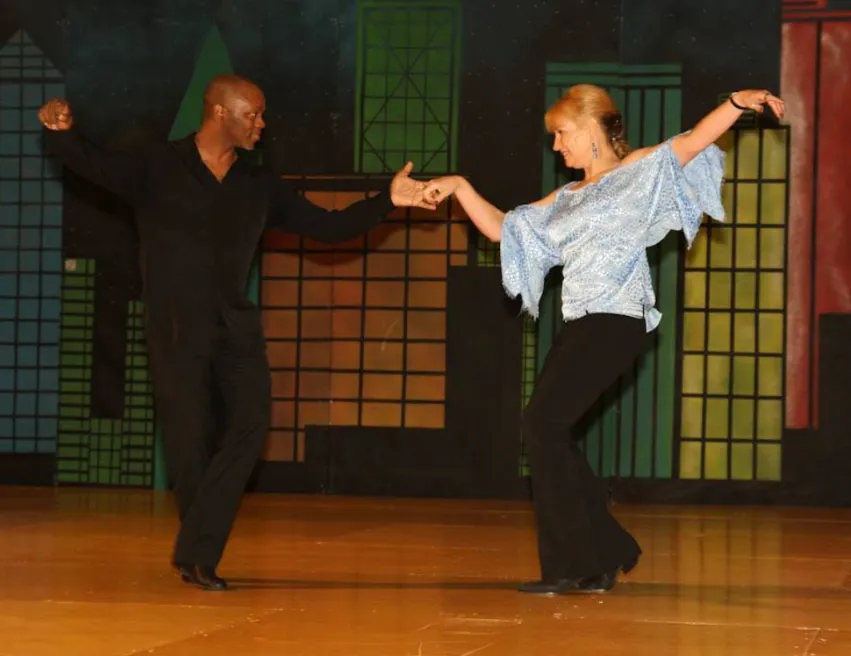
West Coast Swing looks smooth and effortless from the outside, but what you’re really seeing is great connection between two people. That connection isn’t about yanking, pushing, or hanging on for dear life. It’s about clear, comfortable communication through stretch, compression, body movement, direction changes, timing, and weight shifts.
Stretch: The Quiet Conversation on the Slot
In West Coast Swing, stretch is that gentle, elastic feeling when partners move slightly away from each other along the slot. Think of it like stretching a soft rubber band, not a bungee cord. Both partners keep toned arms and their own balance, allowing a light, shared stretch through the fingers and back of the body.
Leaders use stretch to say, “Get ready, something is coming.” Followers feel that elastic tone and know a direction change, pattern, or acceleration is about to happen. No one is dragging anyone; both people are actively participating in that stretch by managing their own weight and posture.
Compression: Coming In Without Collapsing
Compression is the opposite side of the coin. Instead of moving away, partners move slightly toward each other, creating a light, springy feeling in the hands and arms. Picture gently leaning into a padded wall, not slamming into it. The tone comes from the body, not from locking the elbows or death-gripping the hands.
Leaders use compression to suggest turns, redirects, or playful accents. Followers “listen” by matching that tone—never by bracing or pushing back harder. When compression is right, you feel ready to move, not stuck or squashed.
Body Movement and Direction: Leading With Your Center, Not Your Arms
Connection really comes alive when it starts from the body. A leader’s movement through their center—chest, hips, and feet—travels through the relaxed frame to the follower. Arms are just the messenger. When leaders step, rotate, or change direction with clear body movement, followers feel it as a natural invitation to go, turn, or redirect.
Changes in direction should feel like a smooth redirection of energy, not a sudden yank. If the leader shifts their body and weight first, then the hands only need a light tone to communicate, “We’re going this way now.” Followers respond by allowing their own body and feet to follow that path, instead of resisting or guessing.
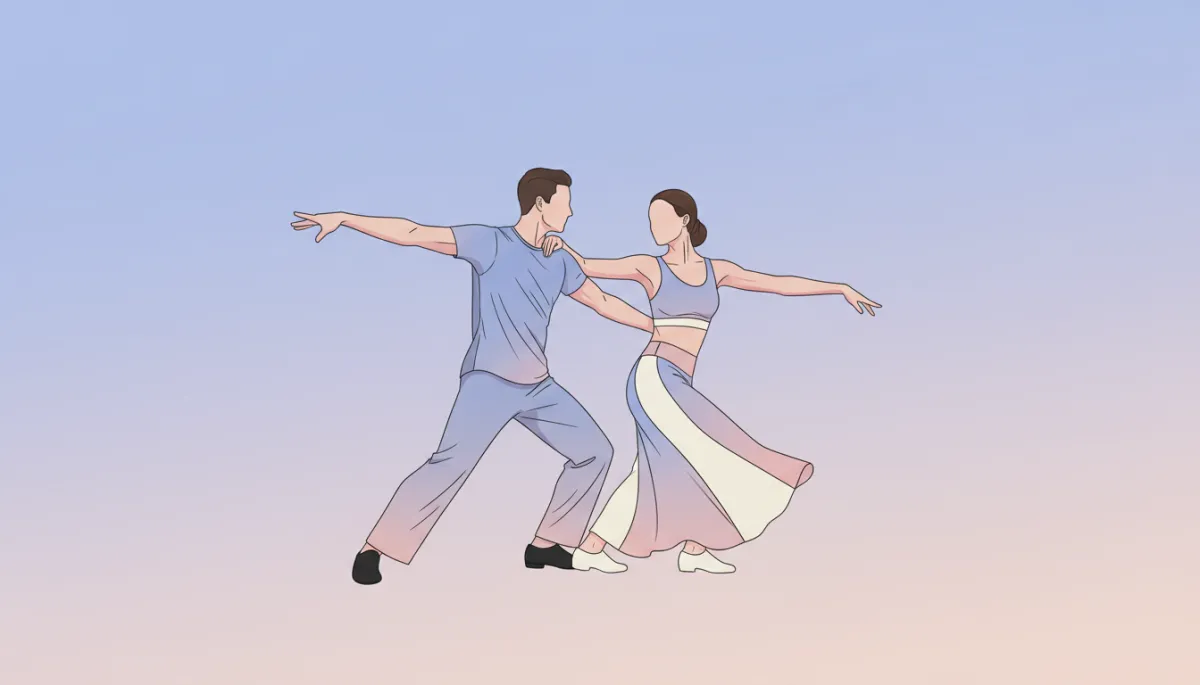
When leaders move from the body, connection feels clear without needing extra force.
Leader and Follower Responsibilities in Connection
Both roles share the job. Leaders are responsible for clarity: clean timing, committed weight changes, and body movement that matches what they’re asking for. Followers are responsible for availability: staying responsive, keeping their own balance, and allowing the information to travel through their frame without fighting it or going limp.
Good connection feels responsive, not forceful. You should feel your partner react to what you do, not overpower it. If either person feels like they’re doing all the work, something in the connection is off—usually timing, weight, or tension.
Timing, Weight Changes, and Common Mistakes
Every step you take is a weight change. When both partners change weight on time with the music—and with each other—the connection feels light and predictable. If one person is late, early, or only half-committed to a step, the other feels it as wobble, heaviness, or confusion. Often this gets mistaken for “bad leading” or “unresponsive following” when it’s really just mismatched timing.
A few common connection mistakes:
Pulling instead of stretching: using arm strength instead of shared elasticity.
Pushing instead of compressing: locking elbows and shoving toward your partner.
Gripping the hands: squeezing so hard that subtle changes can’t be felt.
Going limp: letting the arms flop so information never reaches the body.
A Simple Partner Drill to Feel Better Connection
Try this easy exercise. Stand facing your partner with a single hand connection. Keep your arms relaxed but toned, and your feet under your body.
Leader slowly steps back one step; follower allows a light stretch to appear. No pulling—just move your own body and let the hand come along.
Leader steps in one step; both partners feel gentle compression, like a spring loading.
Add a small direction change: leader steps diagonally, follower tracks that path, keeping the same light tone.
Keep the effort level low—around 3 out of 10. You’re training your bodies to communicate with clarity, timing, and shared responsibility, not with force. When that feels natural in this simple drill, it will start to show up in your West Coast Swing on the social floor.
